
Table of Contents
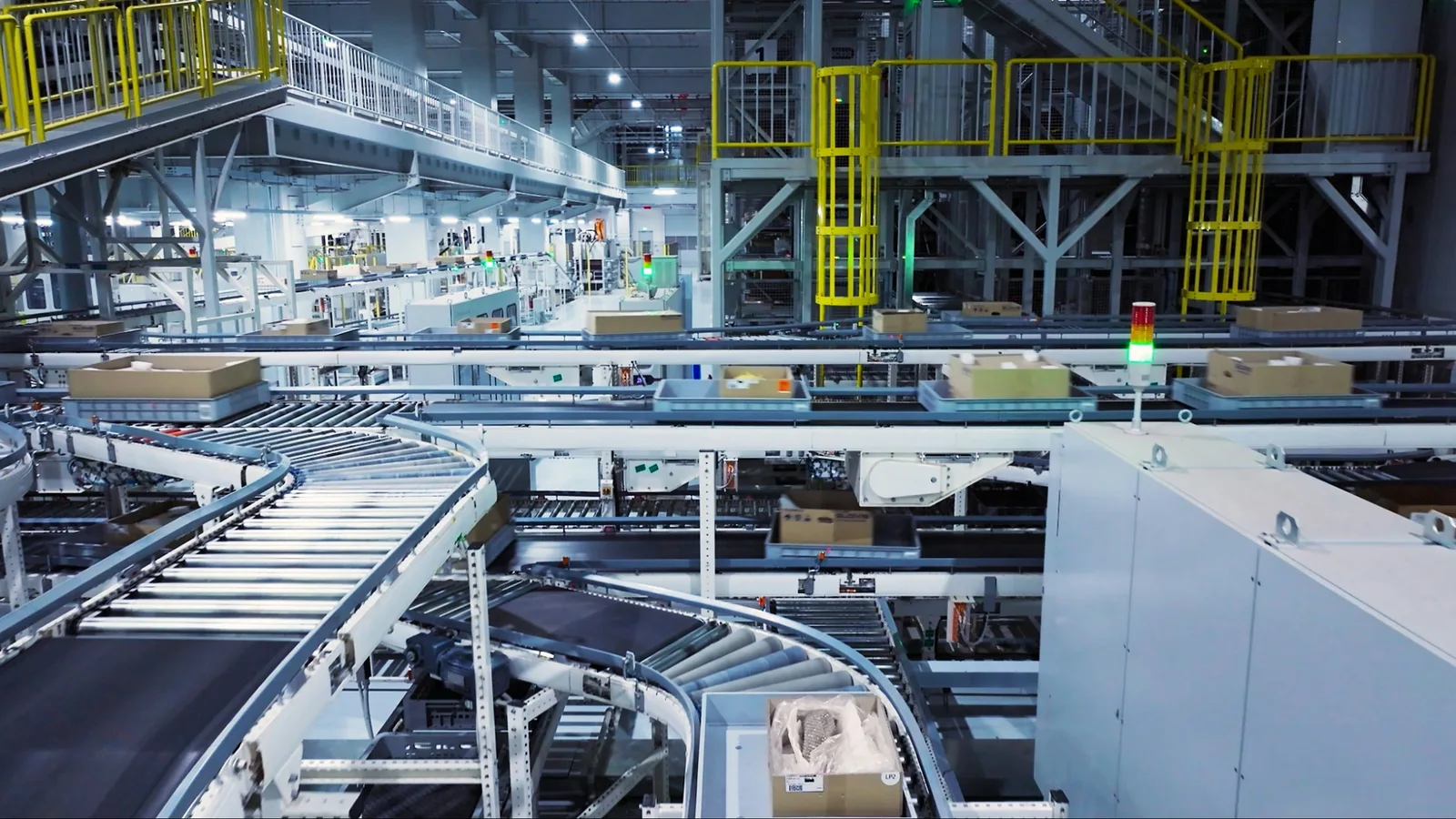
When a compressor stops in a distribution hub, parcels stop moving. Conveyors stall. Sorters sit still. The vans outside keep their slots whether you are loaded or not.
That is the problem DPD brought to us across five Midlands hubs. Compressed air for logistics has one job: be there during the sort. This post covers what was going wrong, what we changed, and the numbers that came out of it. Every figure is from the DPD case study on this site.
Why compressed air for logistics is a different job
Compressed air for logistics is not the same job as compressed air in a factory. A factory can often shuffle a shift. A hub cannot. The sorting window is fixed and the vans are booked.
In a DPD hub, compressed air runs the conveyor systems, the pneumatic sorting equipment and the packaging operations. It is not a background service. It is the thing that moves the parcel.
So two rules follow. Air has to be there during the sort. And when it is not, someone has to be on site in hours, not days.
There is a third thing people miss. A hub does not fail loudly. Pressure drifts down over weeks, a filter clogs, a dryer stops keeping up. The sorter still runs, just slower, and nobody logs it because nothing has broken. You only find out at the end of the quarter when throughput is down and no one can say why.
The problem: five hubs, five ways of working

Before the contract, DPD used different contractors at different sites. That sounds harmless. It is not.
Here is what it actually meant:
- No unified reporting. Five sites, five formats, no single view of what had been done.
- Inconsistent response times. One hub might get an engineer the same day. Another might wait.
- Delays during peak sorting. Breakdowns landed in the worst possible window and cost throughput.
The facilities team was spending its time chasing paperwork instead of reading it. Nobody could answer a simple question: what condition is the estate in right now?
The brief back to us was short. One contract. One point of contact. Guaranteed response times. Complete digital records for every visit. No paper job sheets.
What we did
One agreement across all five hubs
We built a regional service agreement around how a hub actually runs. Every hub was surveyed. Every machine was catalogued. Then we set a service schedule against the peak and off-peak sorting windows, not against a generic calendar.
All five hubs were onboarded within four weeks. Before the first scheduled service, our engineers learned each site’s access protocols, security requirements and operating patterns. That matters more than it sounds. An engineer stuck at a gatehouse is an engineer not fixing anything.
The whole air system, not just the compressor
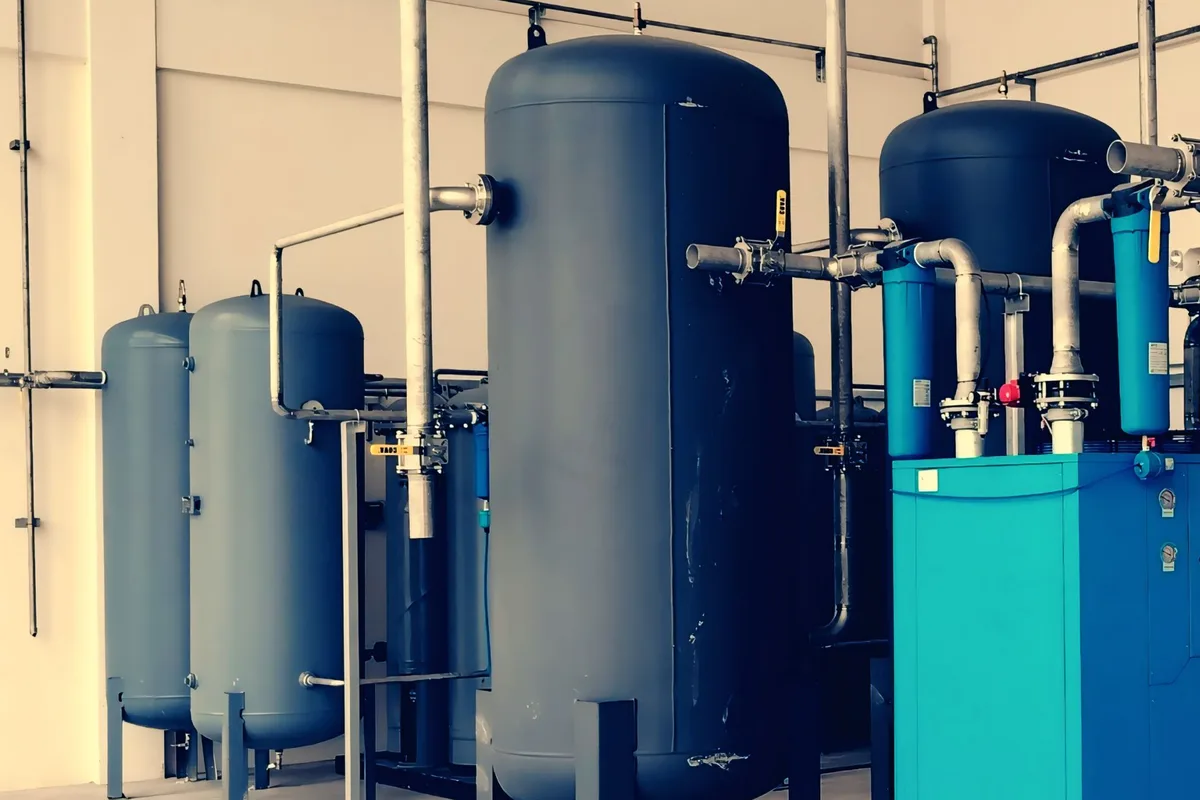
Planned maintenance covers the compressors, the dryers, the inline filtration and the oil water separators. Treating those as one system is the point. A blocked filter shows up as a pressure problem at the far end of the line, and you will chase the wrong machine for a week if nobody is looking at the whole thing.
A breakdown line that answers
The contract carries a 24/7 emergency line with sub-24-hour guaranteed attendance. Our breakdown repair team works to that across every site on contract.
Records the team can actually use
Digital job sheets go to the site manager and the DPD facilities team after every visit. A central asset register holds the service history, the fault logs and what is due next. Quarterly condition reports set out what we found and what we recommend.
“We needed a partner who understood that in logistics, hours matter. Airmech gets that.” Facilities Manager, DPD Midlands
The result
Since the contract began:
- 0 missed PPM visits. Every service completed on schedule, timed around sorting operations.
- Sub-24-hour average emergency response across all five hubs.
- 100% digital records. Every visit documented and sent to site and head office the same day.
- 5 hubs under one contract. One phone number, one standard, one reporting structure.
Of those four, zero missed visits is the one to watch. It sounds like an admin number. It is not. A missed service is where the next breakdown comes from, and in a hub that runs around the clock, a missed service is easy to let slide. There is never a good moment. Hitting every visit for the life of a contract means the schedule was built around the operation rather than around a diary.
The quarterly reports changed something less obvious too. DPD now plans compressor replacements as capital expenditure with proper lead times. Before, a failure was a surprise and a rush order. Now it is a line in a budget.
That is the shift worth copying. Reactive spending is always more expensive than planned spending, and it always lands at the worst time.
What to take from this if you run more than one site
You do not need to be DPD for this to apply. Ask yourself four questions.
- Can you name every compressor you own, and when it was last serviced? If not, you have an asset register problem before you have a maintenance problem.
- Do your service visits land in your busy window? If the schedule was built by a contractor’s diary rather than your operation, they will.
- What is your worst response time, not your average? The worst one is the one that hurts.
- Are your records searchable? Paper in a folder at one site is not a record the group can use.
If more than one answer bothers you, a national contract usually fixes several at once. Not because the engineering is different, but because the coordination is.
We have run compressed air for logistics and warehousing sites since 1980. We are a BCAS member and SafeContractor approved, and we sit at 4.9 on Google.
See how we could do the same for you
Tell us how many sites you run and what is on them. We will survey them, put one plan in front of you, and give you a fixed price. No obligation.